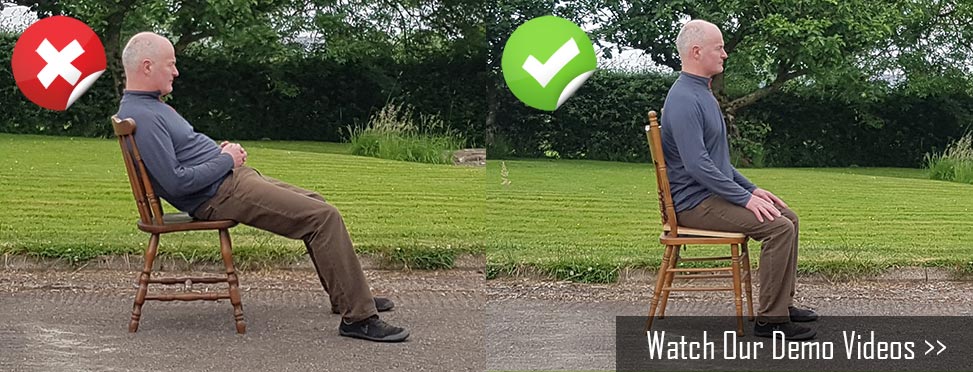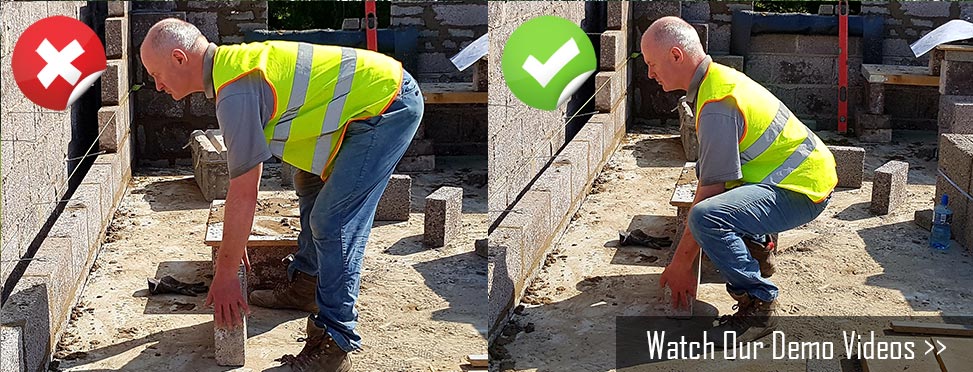
The Alexander Technique is a profound method of releasing unwanted muscular tension throughout the body. Over the years, tensions influence our habits, posture, flexibility and pains. If left unchecked, excessive muscular tensions can lead to a whole range ailments.
The Alexander Technique has a wide range of benefits and it helps millions of people across the world. It helps you to rediscover freedom and ease in movement, feel younger and helping to reduce: Pain, Poor Posture, Bad Performance.
Through observation, explanation and Peter's guiding touch, you can learn to rediscover your balance ease in activities you do every day. By Commencing with, and integrating body awareness in what you do, you experience your body in new ways and learn how to prevent and release tension.
Forget strenuous exercises or muscle-strengthening routines—this technique is all about mindful movement and awareness, not fitness conditioning.
It’s not a magic solution for pain relief or posture correction. The Alexander Technique requires patience and practice, gradually improving movement habits to ease tension at its source.
Unlike massage or chiropractic adjustments, this isn’t a passive therapy. It relies on your active engagement, with a teacher guiding you in refining how you move.
While beneficial for posture, tension, and chronic pain, the Alexander Technique isn’t a cure-all. Structural or genetic conditions may see improvements, but it’s not a replacement for medical treatment.
It’s more than posture correction—it helps sharpen mental focus, ease stress, and enhance overall well-being.
Though widely used by musicians, actors, and dancers, anyone can benefit from it, improving everyday activities like walking, speaking, and even working at a desk.
While it encourages mindfulness, the Alexander Technique is rooted in practical movement principles—not meditation, yoga, or spiritual traditions.
It doesn’t demand fixed positions or rigid postures. Instead, it promotes natural, adaptive movement for ease and efficiency.
There are no strict guidelines or one-size-fits-all methods. The Alexander Technique adapts to individual movement patterns, making it unique for each person.
Despite being mistaken for alternative therapy, this method is grounded in biomechanics and body awareness, supported by scientific research